Gourav
 Hey there! Ready for some tech news? Let’s get started.
Windows 11’s Exclusive 26H1 Update
Microsoft has announced that the next major Windows 11 update, version 26H1, won’t be available for most existing PCs. Even users who upgraded to Windows 11 as recommended won’t receive this particular update.
ARM-Based Processors Get Special Treatment
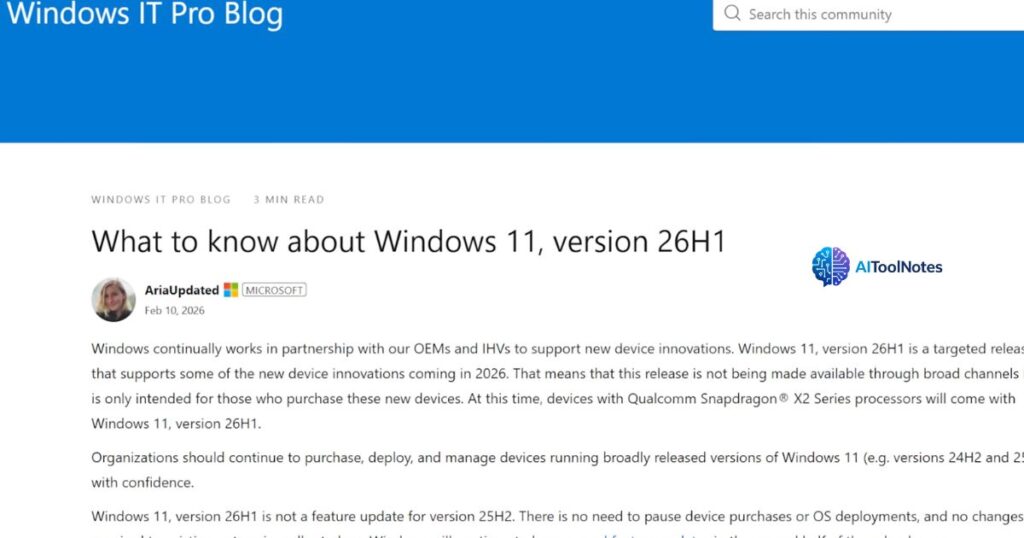
Now, as explained in a Windows IT blog post, 26H1 is a special version of Windows only intended for devices with the upcoming ARMbased Qualcomm Snapdragon X2 series processors, at least at this time.
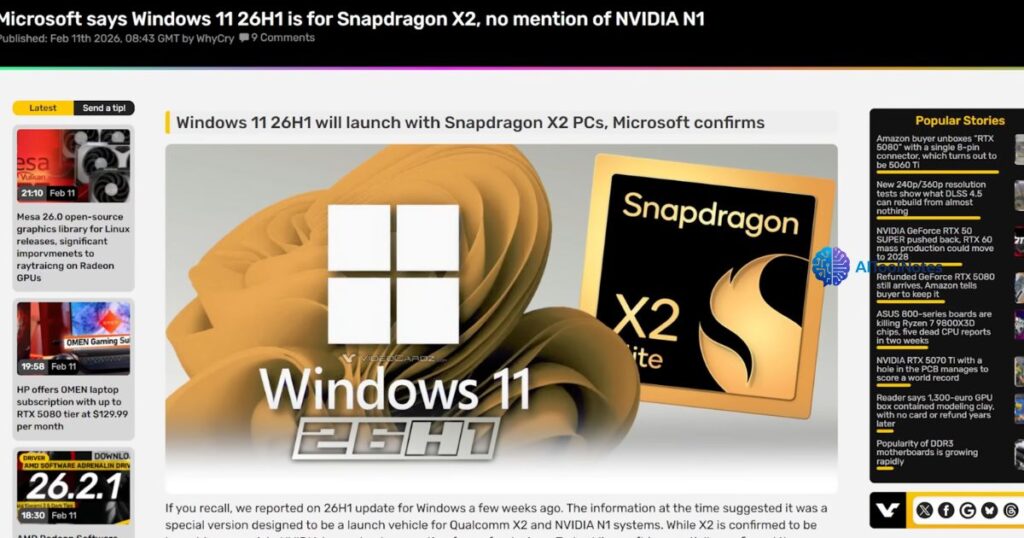
One could assume that 26H1 might also be intended for Nvidia’s N1 series of ARMbased laptop chips, but Microsoft maybe didn’t mention that because those chips have reportedly been delayed yet again.
Nvidia has reportedly deprioritized development of these chips, likely due to its focus on more lucrative ventures in AI and data center markets.
Notably, Windows rarely releases H1 updates. The last H1 update was released in May 2021. So why is this update unavailable to most users?
According to Microsoft, version 26H1 is built on a different Windows core architecture.
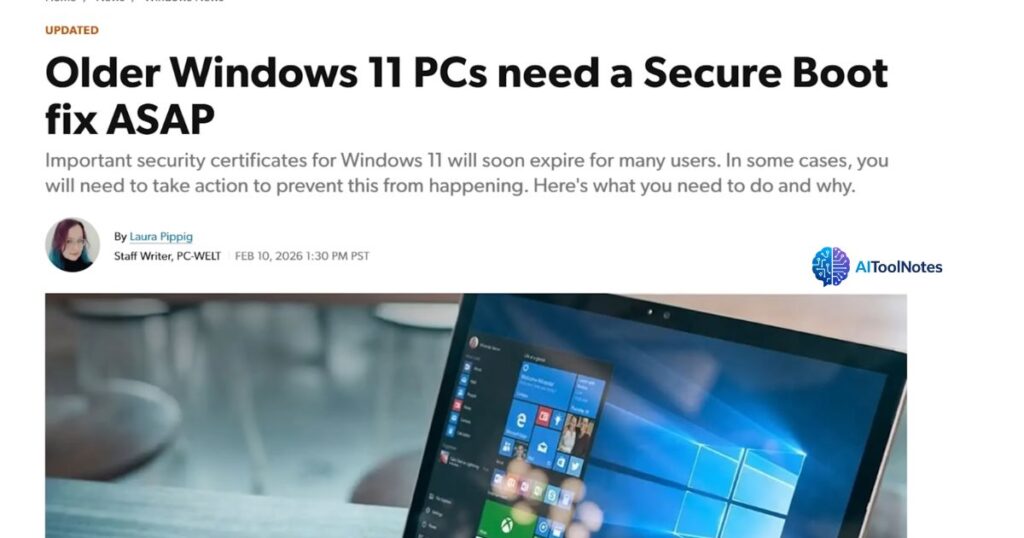
While both existing PCs and Snapdragon X2-based devices will continue to receive security, quality, and feature updates, they will be fundamentally different versions that remain separate from each other. Given the issues some users have experienced with recent Windows updates, this divergence in update paths may not be entirely unwelcome for those prioritizing system stability.
Secure Boot Certificate Updates Rolling Out

Oh, like this one rolling out this year to most PCs running Windows 11 and Windows 10 if they’re enrolled in extended security updates, which will provide shiny new secure boot certificates to replace the ones set to expire later this year, which is good because Fortnite tournaments are going to require secure boot to work now.
This security measure is particularly important as Fortnite tournaments now require secure boot functionality to prevent unauthorized access and maintain competitive integrity.
Meta and YouTube Face Landmark Addiction Lawsuit
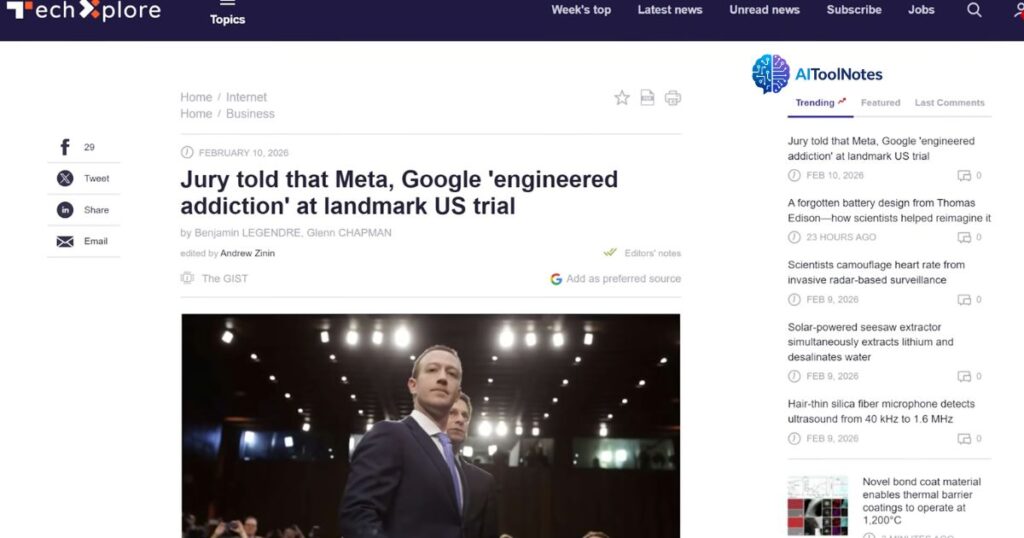
Meta and YouTube were taken to court in California this week to defend against accusations of pushing highly addictive apps on children.
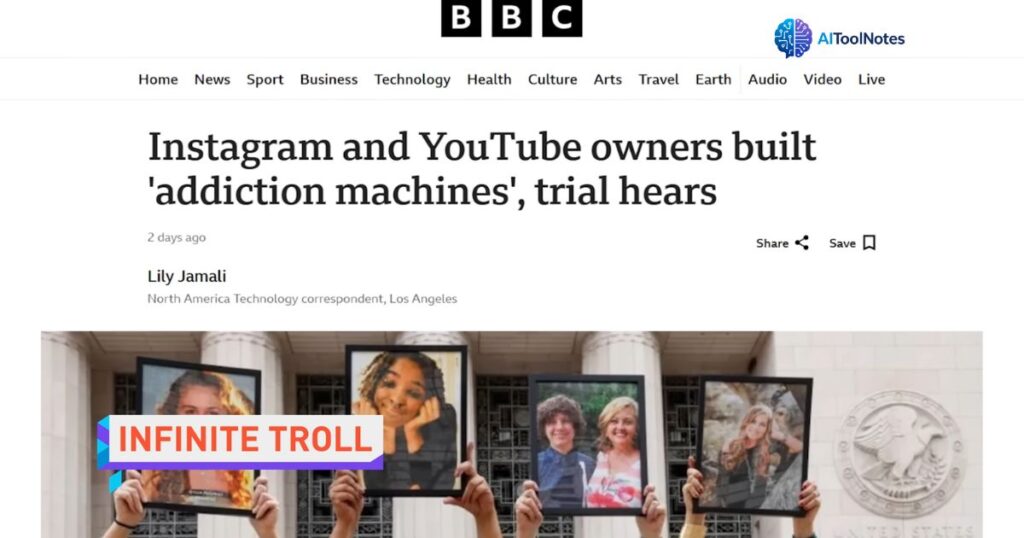
Meta CEO Mark Zuckerberg is expected to take the stand next week in this landmark case, which could set legal precedent for similar lawsuits against social media companies.
The ABC Case: Addicting Brains to Children
In his opening arguments, the plaintiff’s attorney, Mark Lier, took out a set of children’s toy blocks and in a move he definitely workshopped with his level one improv class, declared, “This case is as easy as ABC with A for addicting, B for brains, and C for children.
We’re addicting children’s brains. It’s harmful.” Lier continued by arguing that these companies don’t merely build apps—they build traps designed to capture users’ attention. He reinforced his arguments with visual props, including a toy Ferrari and a mini slot machine to illustrate his points about addictive design features.
In between testing out bits from his one-man show on the jury, Lier made the crucial point that the plaintiffs are not alleging that the companies are liable for the content on their platforms as section 230 of the Communications Decency Act in the US protects them from that. Instead, they’re arguing that the structure of the apps themselves, specifically the algorithm and infinite scroll, were intentionally designed to be addictive.
Defense Strategies: From Blame-Shifting to Entertainment Claims
Meta’s Response: It’s Not Our Fault
Meta’s attorney, Paul Schmidt, argued that the 20-year-old plaintiff’s mental health issues were attributable to pre-existing personal circumstances, including a difficult home life and ongoing therapy since the age of 3, rather than to the platform’s design features.
YouTube’s Argument: We’re Not Social Media
YouTube’s attorney, Lewis Lee, argued that YouTube should be classified as an entertainment platform similar to Netflix rather than as a social media platform. He presented the jury with screenshots of an Ariana Grande music video and NFL game highlights, contending that YouTube serves as a source of creativity and income for young content creators.
Lee further argued that features like infinite scroll and video recommendations are designed to enhance user experience rather than cause harm. Notably, he stated that “infinite scroll is not infinite,” despite the feature’s continuous content loading mechanism that keeps users engaged for extended periods.
Discord’s Age Verification Controvers
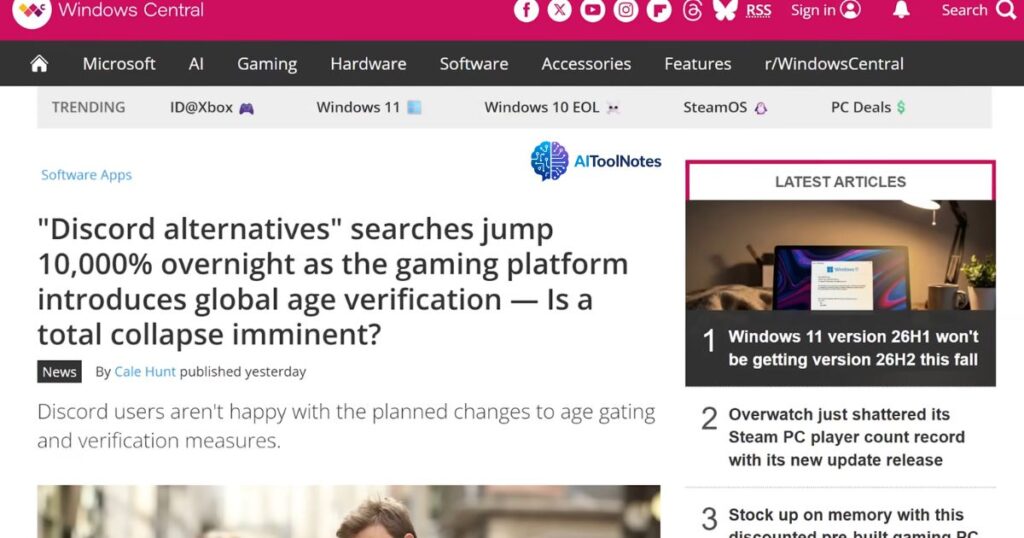
Discord has responded to the significant backlash over its new teen bydefault age verification system with users threatening to leave cancelling Nitro subscriptions and US searches for Discord alternatives jumping roughly 10,000% in 48 hours.
User Backlash and Exodus Threats
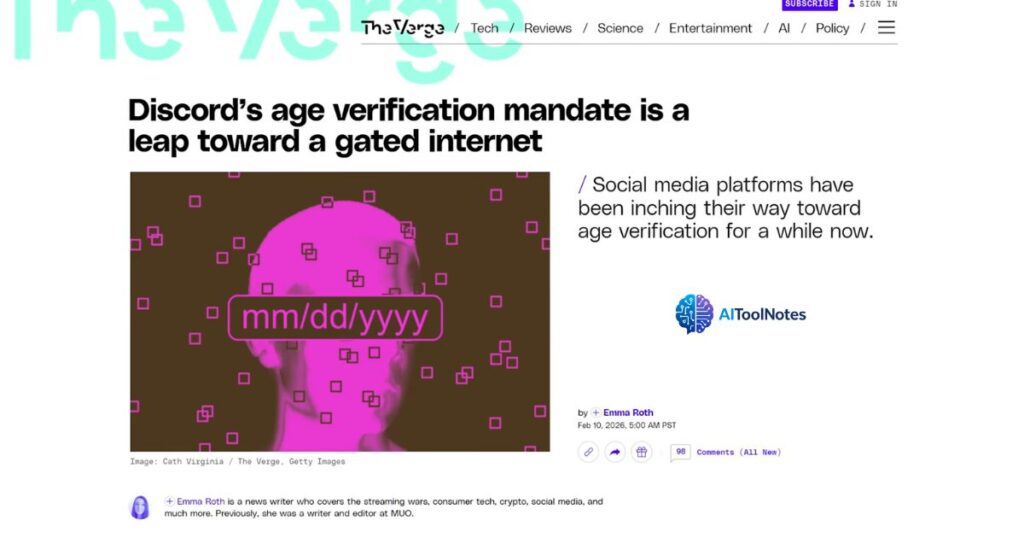
The messaging platform would like everyone to please calm down because the vast majority of users won’t need to verify at all since most don’t access age restricted servers.
Discord’s Damage Control Explanation
Users will only be required to provide a face scan or ID if Discord’s age prediction model cannot verify their adult status through other means. However, critics have raised concerns about the accuracy and privacy implications of such verification systems, particularly given that many users already share personal data, including facial images, across multiple platforms and services. The controversy highlights ongoing tensions between platform safety measures and user privacy concerns in the digital age.
Google Expands Privacy and Safety Tools
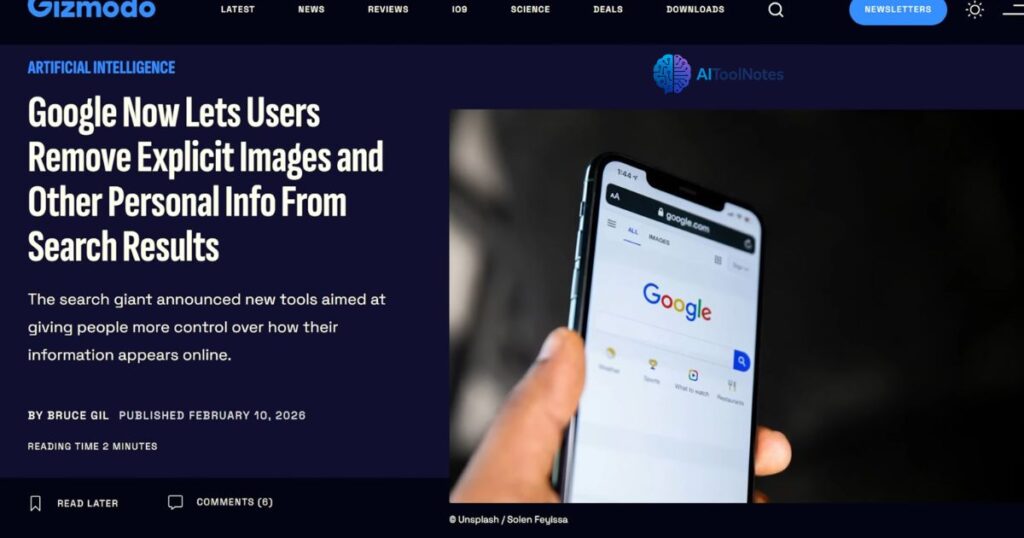
Google launched new tools yesterday to help users remove non-consensual explicit images from search.
Non-Consensual Image Removal Feature
Users can now click the three dots on an image result in Google search and flag it for removal. Easy.
Personal Information Protection Hub
The company also expanded its results about you hub to let users flag search results containing their social security number, driver’s license, or passport number for removal.
To use this feature, users must first provide Google with their sensitive personal information for verification purposes. Google states that it employs rigorous security protocols and advanced encryption to protect user data. However, privacy advocates continue to raise questions about the collection and storage of such sensitive information by tech companies.
Meta Launches “Dear Algo” Feature on Threads
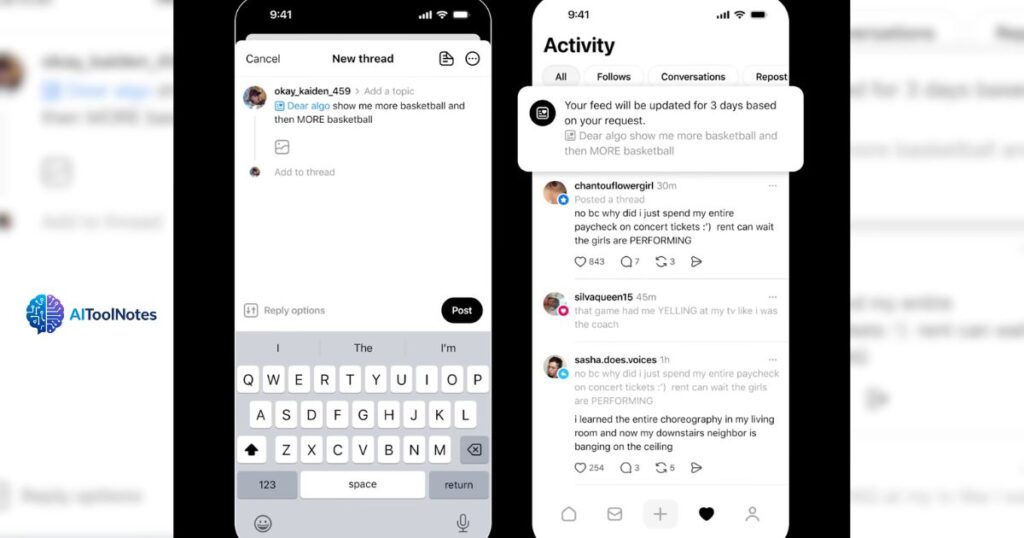
Meta has introduced an official Dear Algo feature on Threads that will let you customize your personal algorithmic feed. Inspired by the trend of users posting dear Algo requests last year, now you can officially request more or less of a certain topic and repost other users public requests. And I guess you can’t make private requests, which is a little weird.
Users can delete their requests at any time, though the algorithm will only honor preferences for three days before reverting to its default content recommendations. This temporary nature of user customization has drawn criticism, as it suggests the platform prioritizes its own content distribution goals over sustained user preferences.
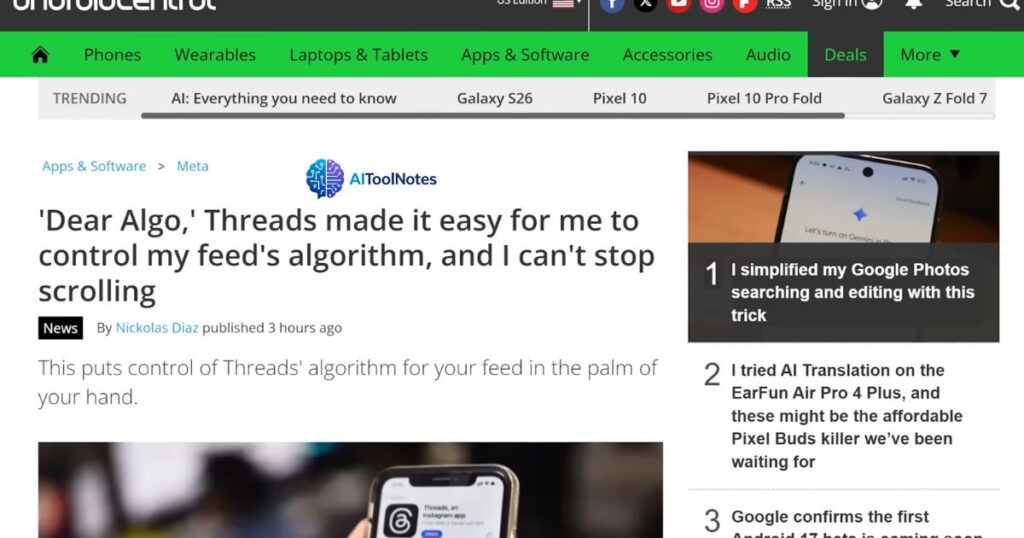
Android Central loves the feature because with their new personalized feed, they can’t stop scrolling.
Stalkerware Company Hacked in Poetic Justice
A hacktivist known as Wicked compromised over 536,000 payment records from a stalkerware operation run by Ukrainian company Structura, exposing email addresses and partial credit card information of customers who purchased spying software. Stalkerware is malicious software that operates covertly on devices, secretly uploading victims’ call records, text messages, photos, browsing history, and precise location data.
Structura explicitly marketed these applications for monitoring spouses and domestic partners without their knowledge—a practice that is illegal in most jurisdictions. The hacktivist exploited what they described as a trivial security vulnerability and subsequently leaked the data to a hacking forum.
According to TechCrunch, that makes this the 27th Stalkerware company to be hacked or breached since 2017, which is only fair.
Let he who is without secrets install the first piece of malware, an ancient piece of wisdom from the before times.
Mr. Beast Acquires Teen Financial App
And Beast Industries, the company who I’m going to imagine created YouTuber Mr. Beast, aka Jimmy Donaldson, in some kind of sick lab, has acquired Step, a financial services app for teens and young adults with over 7 million users.
The app, which serves teens and young adults, has amassed over 7 million users.
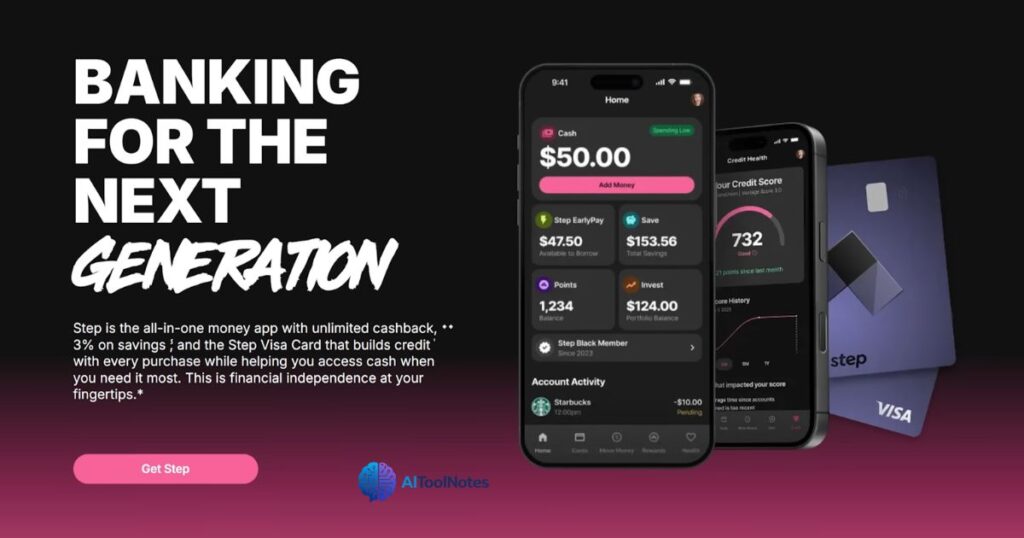
The app offers credit building, saving, and investing tools with no monthly fees.
Donaldson said that he wants to give millions of young people the financial foundation he never had, even though logically Jimmy is evidence of that foundation being entirely unnecessary. The move aligns with his upcoming finance themed YouTube channel and gives him a direct pipeline to monetize his massive Gen Z and Gen Alpha audience beyond content and snacks.
The acquisition aligns with Donaldson’s plans to expand into financial content, potentially combining his signature entertainment style with financial education for younger audiences.